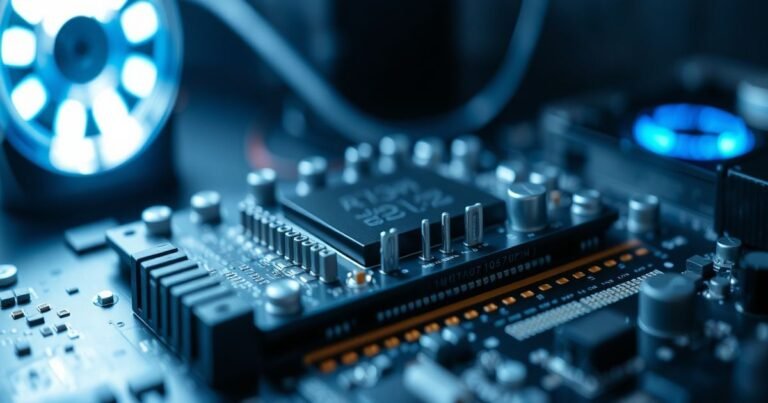
In an era where digital assets face increasingly sophisticated threats, gfxrobotection has emerged as a groundbreaking approach to safeguarding visual and computational resources. This innovative fusion of graphics processing (GFX) and robotic protection systems leverages artificial intelligence to autonomously detect, analyze, and neutralize vulnerabilities in real-time. As cyberattacks targeting graphical interfaces and rendering pipelines grow more complex, gfxrobotection provides a proactive defense mechanism that traditional security tools often miss. By 2026, this technology is becoming essential for industries ranging from gaming and film production to critical infrastructure, where visual data integrity is paramount. Unlike reactive security models, gfxrobotection operates continuously, using machine learning to adapt to emerging threats before they cause damage. This article explores how this paradigm shift is redefining digital protection standards.
What is Gfxrobotection?
Gfxrobotection refers to the integration of robotic process automation (RPA) with advanced graphics processing units (GPUs) to create self-defending digital environments. At its core, it uses AI-driven “robots” that monitor graphical workflows—such as 3D rendering, video processing, or UI interactions—for anomalies like unauthorized access, data corruption, or malicious code injection. These systems analyze visual data streams at the hardware level, identifying threats that bypass conventional software-based security. For instance, a gfxrobotection framework might detect subtle pixel-level distortions indicating a deepfake attack or prevent GPU-based cryptojacking by monitoring rendering workloads. According to Wikipedia, such AI integrations represent the next evolution in cybersecurity, moving beyond signature-based detection to behavioral analysis. This approach is particularly vital as cybercriminals increasingly exploit graphics pipelines for stealthy attacks, making gfxrobotection a non-negotiable layer in modern digital defense strategies.
How Gfxrobotection Works: The Technical Framework
The architecture of gfxrobotection combines three critical components: sensor networks, AI decision engines, and automated response protocols. First, distributed sensors embedded in GPU drivers and rendering software collect real-time data on graphical operations, including frame rates, shader executions, and memory usage. This data feeds into an AI engine trained on millions of threat scenarios, which uses neural networks to distinguish between legitimate processes and malicious activity. When a threat is identified—such as a sudden spike in GPU temperature indicating a denial-of-service attack—the system triggers predefined robotic responses. These might include isolating affected processes, rolling back corrupted frames, or alerting human administrators. Crucially, gfxrobotection operates at the hardware-software intersection, allowing it to intercept threats before they propagate. For example, in cloud gaming platforms, it can instantly block exploits targeting rendering vulnerabilities. This seamless integration ensures minimal latency, making it ideal for high-performance environments where speed is critical.
Key Benefits of Implementing Gfxrobotection
Adopting gfxrobotection delivers transformative advantages for organizations handling sensitive visual data. Its proactive nature significantly reduces breach response times, often neutralizing threats in milliseconds—far faster than human-led interventions. This is especially valuable in sectors like healthcare, where corrupted medical imaging could lead to misdiagnosis. Additionally, gfxrobotection minimizes false positives through contextual AI analysis, ensuring legitimate creative workflows remain uninterrupted. Other notable benefits include:
- Enhanced Resource Efficiency: By automating threat detection, it frees IT teams to focus on strategic initiatives rather than routine monitoring.
- Scalability: Cloud-native gfxrobotection solutions can dynamically adjust to workload fluctuations, from small studios to enterprise data centers.
- Compliance Assurance: Automated audit trails simplify adherence to regulations like GDPR or HIPAA, as all graphical data interactions are logged and analyzed.
For deeper insights into optimizing your digital sanctuary, explore our resources.
Challenges and Considerations
Despite its promise, gfxrobotection faces practical hurdles. High implementation costs can deter smaller businesses, as it often requires specialized GPU hardware and AI expertise. Integration with legacy systems also poses difficulties, particularly in industries using outdated rendering pipelines. Moreover, over-reliance on automation risks “alert fatigue,” where teams ignore genuine threats due to excessive false alarms. Ethical concerns arise too, such as ensuring AI decisions don’t inadvertently censor legitimate creative content. To mitigate these, organizations should adopt phased rollouts, starting with critical assets like financial visualization tools. Regular third-party audits are essential to validate the system’s accuracy and fairness. As IBM emphasizes in cybersecurity best practices, human oversight remains irreplaceable—gfxrobotection should augment, not replace, expert judgment.
The Future of Gfxrobotection in 2026 and Beyond
Looking ahead, gfxrobotection is poised for exponential growth, driven by advancements in quantum computing and edge AI. By 2026, we expect it to become standard in metaverse platforms, where protecting immersive 3D environments from sabotage is critical. Innovations like self-healing GPUs—hardware that autonomously repairs graphical corruption—will further blur the line between protection and performance. Industry analysts predict that gfxrobotection could reduce visual data breaches by up to 70% in the next five years, making it a cornerstone of next-gen cybersecurity. As threats evolve, so will these systems, incorporating predictive analytics to forecast attack vectors based on global threat intelligence. For businesses aiming to future-proof their operations, investing in gfxrobotection isn’t just strategic—it’s imperative. Stay ahead of the curve by visiting here for ongoing updates and expert guidance. Embrace this revolution to secure your digital frontier with confidence.
About the Author